

The club is too often thought of as a place you go to as a student, get blackout drunk and step side-to-side to mid house music.
And whilst yes – that can be true, and was most of my university experience (excluding the alcohol bit) – the club is so much more: it’s a place to connect to culture.
In an effort to experience every culture in the world without leaving London, I returned to the club after a five-year hiatus. But I did it differently: I went to the Iranian club, the Dominican club, the Lebanese club, the Balkan club – the list goes on.
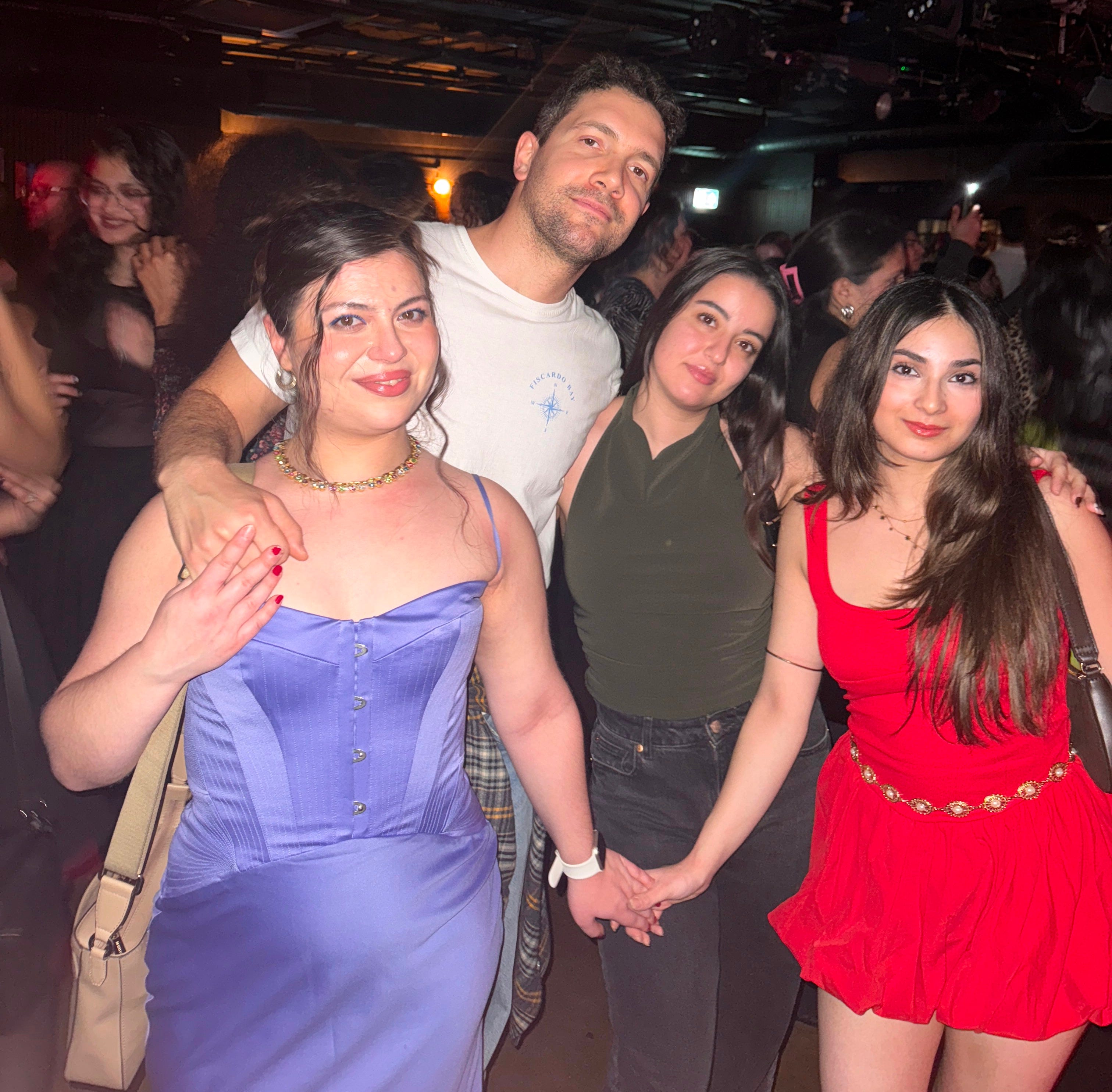
I’ve learnt more about these cultures on the dance floor, with sweat dripping from my face, than I ever could have at a museum.
Take the Dominican club, where I listen to traditional bachata and speak to the community. Actually integrating yourself with people opens up layers of curiosity.
They taught me how bachata was originally seen as ‘vulgar’ and ‘low class’. Radios effectively censored bachata in the Dominican Republic until the late 80s and 90s, until artists like Juan Luis Guerra helped change the genre’s reputation.
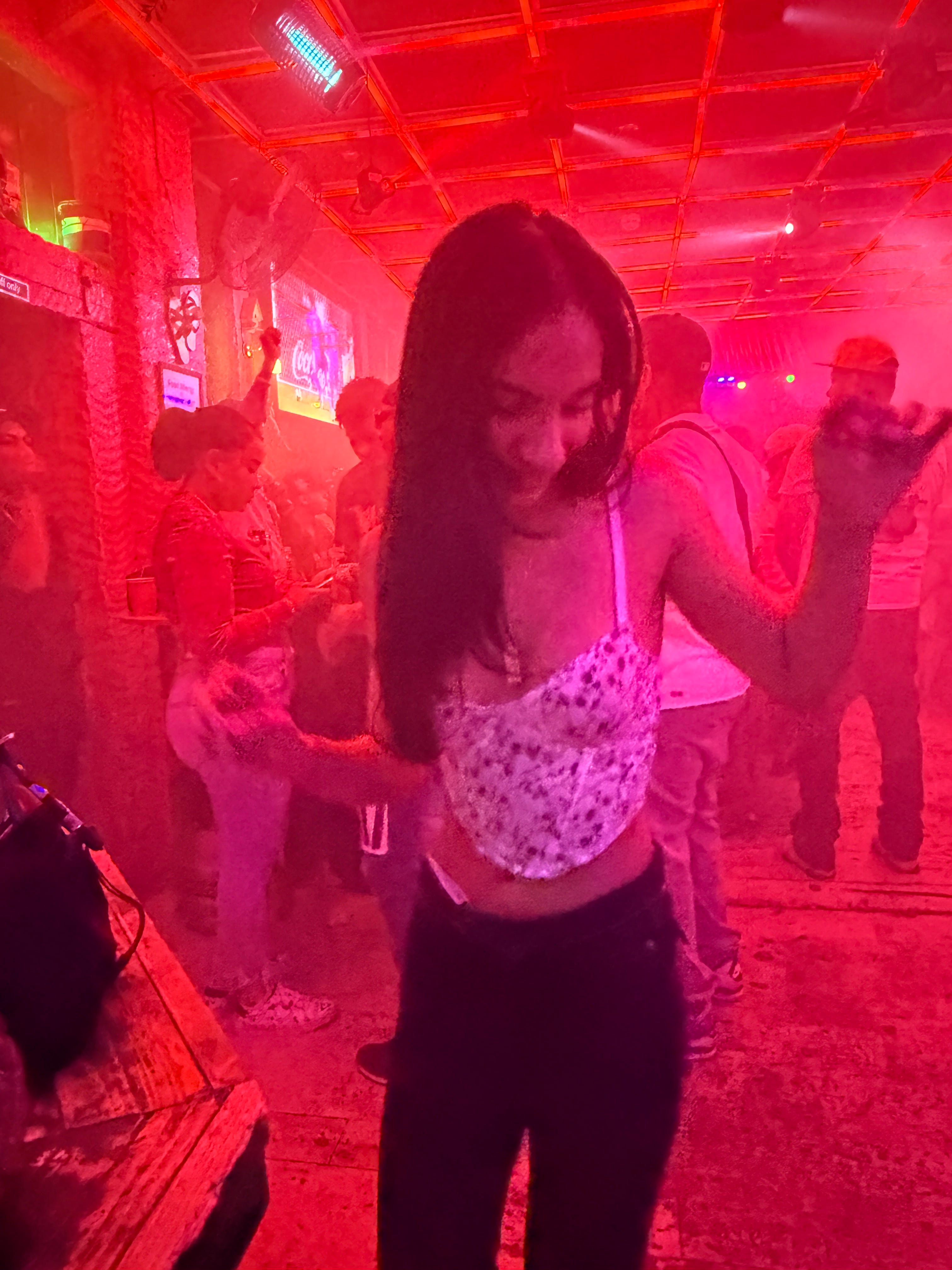
Thousands of miles across the world can be shortened to a TfL trip from South to North London. There aren’t many places that can gift you that.
At the Balkan club in Archway, I noticed how, for an hour, strangers formed into a circle, held hands and kicked their feet with intricate, deliberate footwork. There are very few places you could see this in London: a wedding, a family dinner, perhaps — but you’d have to know someone to be invited.
One thing about me: I’ll try anything twice. I had no idea what the dance was even called. In my debrief, I called it a ‘circle formation thing’, which the internet very kindly corrected me on: Valle, a type of dance found across Eastern Europe, including Albania.
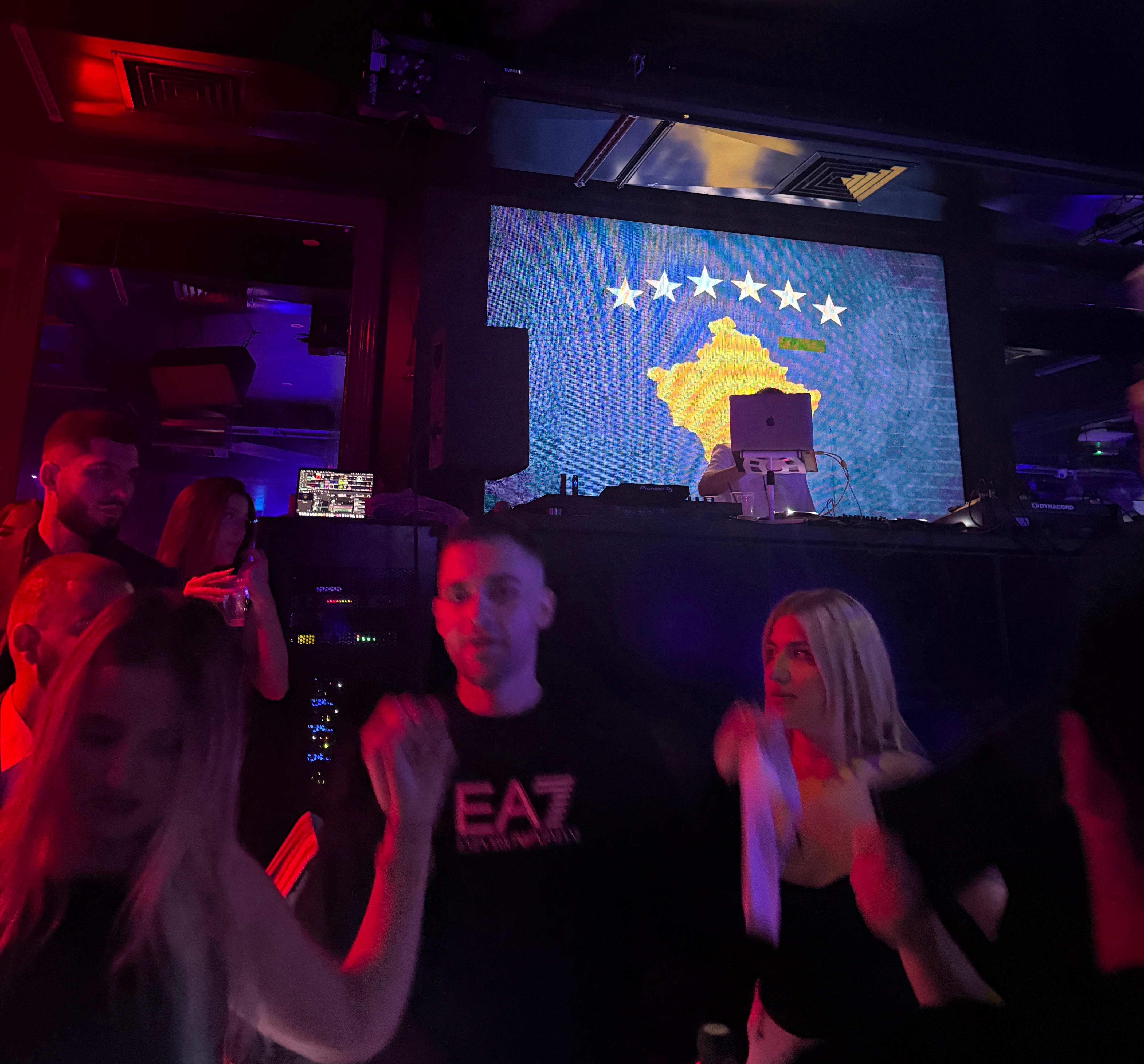
I broke into the circle, held the hands of two strangers and mimicked their footwork. They swayed their arms like water: I did the same. Now, if anyone ever invites me to their Albanian wedding (please), I’m prepared. If I’d never gone to the club, I would’ve never learnt.
The lover girl in me left her cage of repression at the Lebanese club, where I was introduced to the longing, yearning and heartbreak songs of the 00s.
Amr Diab’s deep longing for his love blasting out loud. Hakim’s yearning for a woman he left in another country. Nancy Ajram’s exasperation at a man who constantly tires her (same girl, same). It’s not just Drake in the club: it’s culture and poetry that have defined millions of people across generations.
I’ve even developed stronger roots in my own Iranian culture in the club. From dancing to childhood songs I used to blast in the car as a six-year-old to meeting others like me – born there, raised here, part of the diaspora.

 Tiktok failed to load.
Enable 3rd party cookies or use another browser
It’s a room in London where I can speak in my first language. A place where I learnt that no matter whose culture we grew up under, be they ours or the country we immigrated to, our mothers all taught us the same dance moves. And perhaps, that’s enough.
So before you think you’re ‘too old’ for the club, or that you have to drink (I do all of this sober), remember: you never know what you could learn if you enter the spaces of different communities.
You’re going to learn something that a museum won’t teach you, because you’ll actually meet people from the community. So the next time you want to experience some culture, get out your mini skirt and red lipstick.
I’ve found you a museum that’s open till late.
Came from TikTok! Loving this